Marka hlouwa — chicken with dried apricots and raisins, and almond couscous
The sweet festive stew of Tunisia’s Jewish communities, made here with chicken: thighs browned then simmered over onions softened with cinnamon, raisins plumped in a reduced sauce, honey-glazed apricots added to serve, fluffy couscous and toasted almonds.
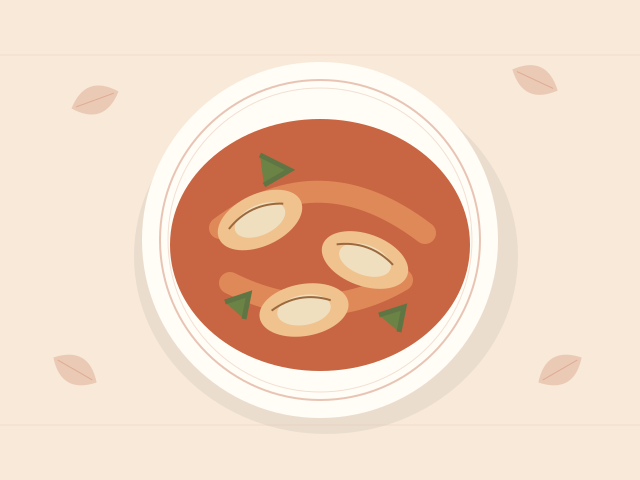
Method
- Take the chicken out of the fridge, pat dry with kitchen paper and salt on both sides with 3 g salt. Finely slice the onions into half-moons, and peel and crush the garlic. In a 28 cm sauté pan, toast the almonds without oil over a medium heat for 2–3 minutes, stirring until light golden, then immediately tip into a bowl.
- Heat 25 g oil in the sauté pan over a medium-high heat. Once it shimmers, lay the thighs flat in a single layer, smooth-side down, and leave untouched for 3 minutes; turn and brown for another 3 minutes. They should have broad golden patches and release from the bottom by themselves. Set aside on a plate: they will not be cooked in the centre yet, which is normal.
- Lower the heat to medium-low, add the onions to the same oil and soften for 10–12 minutes, stirring often and scraping up the browned bits; add 1 tbsp water if they catch. They should be translucent and meltingly soft, barely golden, and reduced by half. Add the garlic, ginger, turmeric, 1/3 tsp ground cinnamon, pepper and cinnamon stick; stir for 1 minute until fragrant.
- Return the chicken and its juices to the sauté pan, add the 30 g whole apricots, raisins, 200 g water and 1 g salt. Bring to a simmer, cover and cook over a low heat for 30 minutes, turning the chicken halfway through. It is ready when a knife tip goes in without resistance and the meat begins to pull apart; the apricots in the stew will have started to melt into the sauce.
- While the stew simmers, glaze the apricots: put the remaining 60 g whole apricots in a small saucepan with 80 g water, the honey and a pinch of ground cinnamon. Simmer uncovered over a low heat for 12–15 minutes, turning them twice, until the syrup has almost disappeared and coats the apricots in a glaze; they should be plump, glossy and still whole. Set aside off the heat; if the syrup thickens too much while waiting, loosen with 1 tbsp water.
- Boil 250 g water in the kettle. Lift the chicken from the sauté pan onto a plate and cover. Reduce the sauce uncovered over a medium heat for 6–8 minutes, stirring: it should be golden and syrupy, coat the spoon, and leave a track that closes slowly when a spatula is drawn across the bottom. While it reduces, prepare the couscous as in the next step: it will swell while the sauce finishes.
- Put the couscous in a bowl with 2.5 g salt and 10 g oil; rub between your palms for 1 minute to coat every grain. Pour in the boiling water with a pinch of ground cinnamon, stir once, cover with a plate and leave to swell for 7 minutes. Fluff with a fork, incorporating 2 tbsp sauce from the stew, until the grains are separate, golden and fragrant. Follow the water quantity on the packet if it differs.
- Taste the sauce and adjust with the remaining salt (0.5 g) if needed. If it seems too sweet, squeeze the half lemon and add up to 2 tsp juice (10 g). Remove the cinnamon stick, return the chicken to the sauce and turn it over a low heat for 1–2 minutes to warm through and coat well, then turn off the heat.
- Mound the couscous in two shallow bowls, place two thighs in each and spoon over the sauce with the raisins. Arrange the glazed apricots over the chicken with any remaining syrup, scatter with toasted almonds and chopped coriander, and serve immediately.
Variants and their steps remain below the recipe.
Lighter version
The glaze is less sweet and less honeyed, but the apricots and raisins retain their sweet, fruity flavour. Fewer almonds mean less toasted crunch, and the couscous feels less supple and less oily in the mouth.
- Medium couscous : 140 g
- Extra virgin olive oil : 20 g
- Flaked almonds : 10 g
- Honey : 8 g
- Fine salt : 6.5 g
- Water : 455 g
Step 2: brown the chicken in just 15 g oil, preferably in a non-stick sauté pan.
Step 5: glaze the apricots with 8 g honey (half a tablespoon); reduce the syrup for an extra 1–2 minutes so it still glazes them.
Step 7: rub the 140 g couscous with 5 g oil and 2 g salt, then pour over 175 g boiling water.
The same sauce and glazed apricots, with a little less couscous, oil and almonds, and a less sweet glaze.
On your plate
Recipe
1122 kcal · protein 63 g · carbs 133 g · fat 35 g
Quantities per person
- 225 g Boneless skinless chicken thighs (pargiyot)
- 100 g Medium couscous
- 45 g Dried apricots
- 20 g Raisins
- 7.5 g Honey
- 150 g Yellow onions
- 5 g Garlic
- 1.5 g Cinnamon sticks
- 0.75 g Ground cinnamon
- 1 g Ground ginger
- 0.5 g Turmeric
- 17.5 g Extra virgin olive oil
- 10 g Flaked almonds
- 5 g Fresh coriander
- 3.5 g Fine salt
- 0.25 g Ground black pepper
- 265 g Water
- 30 g Lemon
Cooking tips
The stew can be made the day before and improves as it rests: reheat gently, covered, with 2 tbsp water, and glaze the apricots at the last moment. Make the couscous fresh at mealtime (7 minutes), or reheat it by steaming, never dry in the microwave. Adjust the balance at the end: the honey belongs in the glazed apricots, not in the sauce. If the dish seems too sweet, a few drops of lemon will suffice, but it should remain distinctly sweet and savoury. At Rosh Hashanah, replace half the apricots with prunes, stewed and glazed in the same way.
Marka hlouwa, the sweet stew served at Rosh Hashanah and other festivals by Tunisia’s Jewish communities; a family version with chicken and honey-glazed apricots added when serving.
Comments and reviews
No comments published yet.
Share your experience
Your first name will appear with your comment. No additional email is required. Comments are reviewed before publication.